
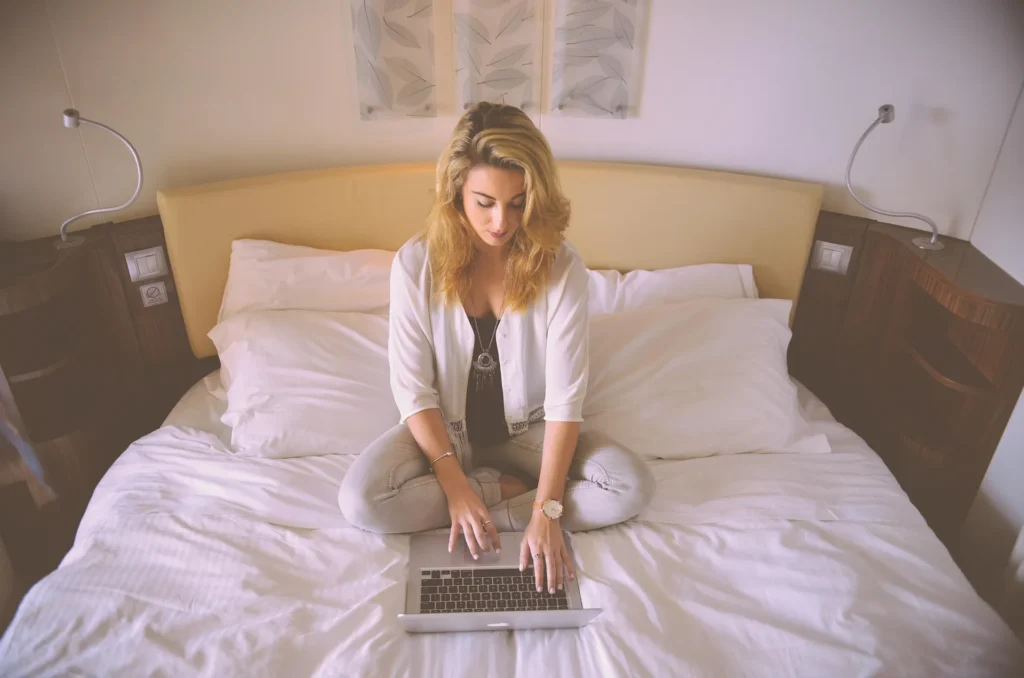
Technology improves my life most when I use it deliberately, not just because a new app looks cool. I treat my phone and laptop like a personal control center for time, money, health, and relationships, and I regularly tweak my tools when something stops working.
Managing time and focus
I use digital calendars and task managers to structure my days so I don’t live in constant chaos. Every evening, I plan the next day with 3–5 priorities and block them as calendar events, then I mute non-essential notifications during those blocks to avoid distractions. Simple automation rules, like recurring reminders and scheduled tasks, help me remember bills, appointments, and deadlines without relying on memory. I also use website blockers and focus timers so I can work in concentrated sprints instead of endlessly scrolling.
Taking care of health and wellbeing
Wearable devices and health apps help me pay attention to my body in ways I never did before. I track steps, sleep quality, and heart rate trends, which nudges me to move more and sleep earlier when the data looks bad. Meditation and journaling apps give me quick ways to decompress and process emotions when I feel stressed, even if I only have ten minutes. Over time, these small digital habits add up to better mood, more stable energy, and fewer “burnout” days.
Learning faster and building skills
Online courses and microlearning apps let me learn almost anything without going back to school. When I want to upgrade a skill—like marketing, coding, or languages—I enroll in short, focused courses instead of random YouTube videos. I also use book summary and note-taking tools to capture ideas and revisit them later, so I don’t forget everything I learn. This constant, low-friction learning makes it easier to adapt when technology or my job changes.
Making everyday tasks easier
Smart home devices and simple automations save me time on repetitive chores. I use smart plugs, lights, and thermostats to schedule routines—like dimming lights at night or warming the home before I wake up—so I don’t think about them. Online banking and budgeting apps help me track spending, pay bills, and set savings goals with real-time notifications. Grocery and delivery apps let me plan meals and restock essentials quickly, which reduces last-minute stress.
Staying connected without burning out
Messaging apps, video calls, and shared online spaces keep me close to friends, family, and colleagues regardless of distance. I use group chats and shared calendars to coordinate plans, and video conferencing for work and deep catch-ups. At the same time, I set boundaries by muting certain chats and using “do not disturb” modes, so I can disconnect when I need quiet time. Used this way, technology supports my relationships instead of overwhelming them.
Using AI as a personal assistant
AI tools have become one of my most useful daily helpers. I use AI to summarize long articles, draft emails, brainstorm ideas, and plan projects faster than I could alone. When I’m stuck, I treat AI like a thinking partner that helps me outline options, but I still make the final decisions myself. This balance lets me move quicker while staying in control of my choices.
In the end, technology improves my life when I treat it like a toolbox, not a distraction. I regularly ask, “Does this app or device actually make my day better?” and I delete or replace anything that doesn’t.
Leave a Reply